
Surgical Endodontics.
Some teeth can't be retreated through the crown. Calcified canals, or a post blocking the way in. For these, Dr. Chinmay operates through the gum at the root tip directly, clearing the infection without disturbing what's already there.
Who is this for?
For patients who have already had a root canal and retreatment but still show infection on X-rays, or where a cyst or abscess at the root tip has not resolved after conventional treatment. This is typically the last option before extraction.
Our 3-Step Pain-Free Protocol
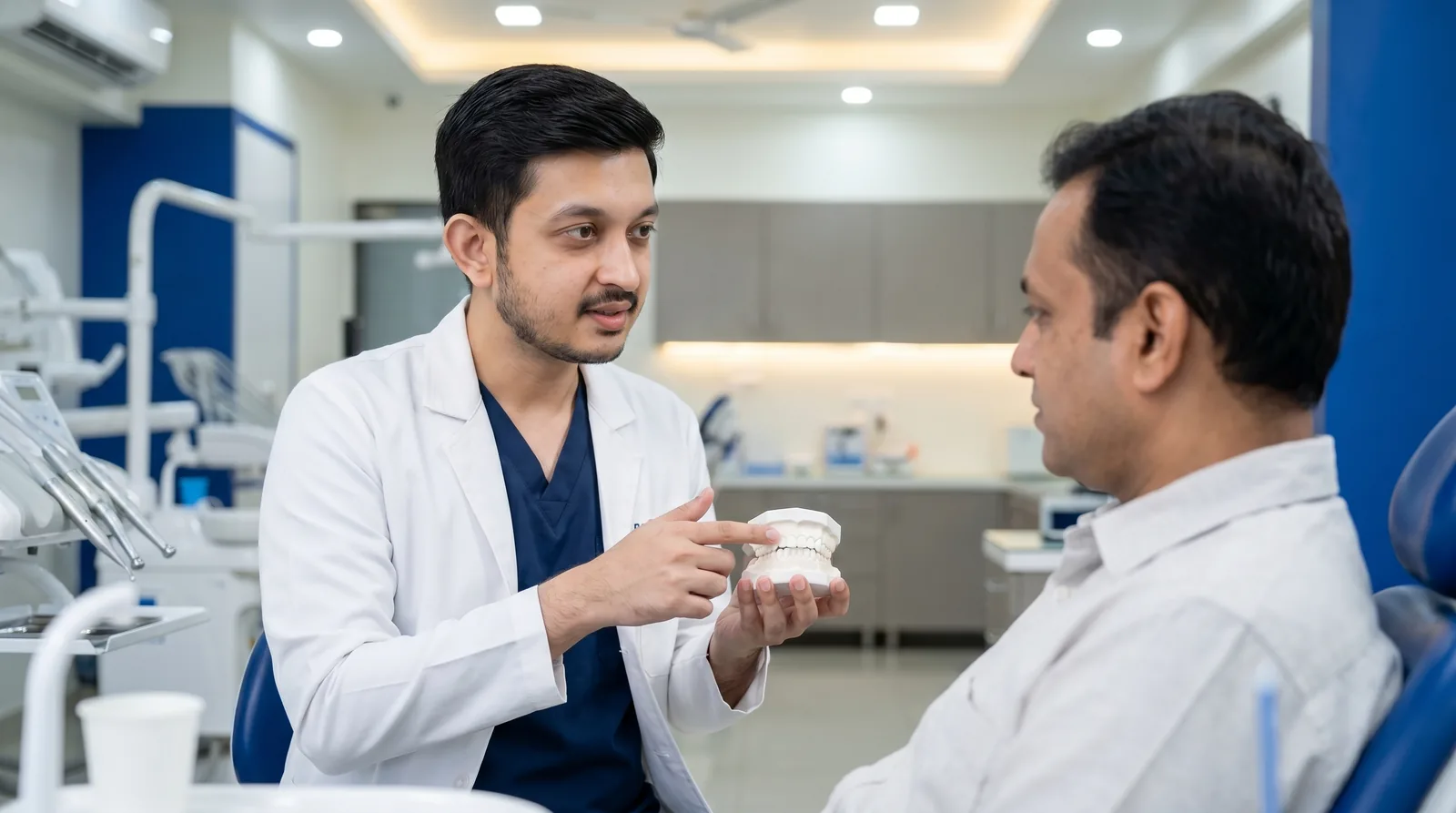
Surgical Access
Using profound anesthesia, a tiny microsurgical incision is made in the gum tissue near the base of the infected tooth.
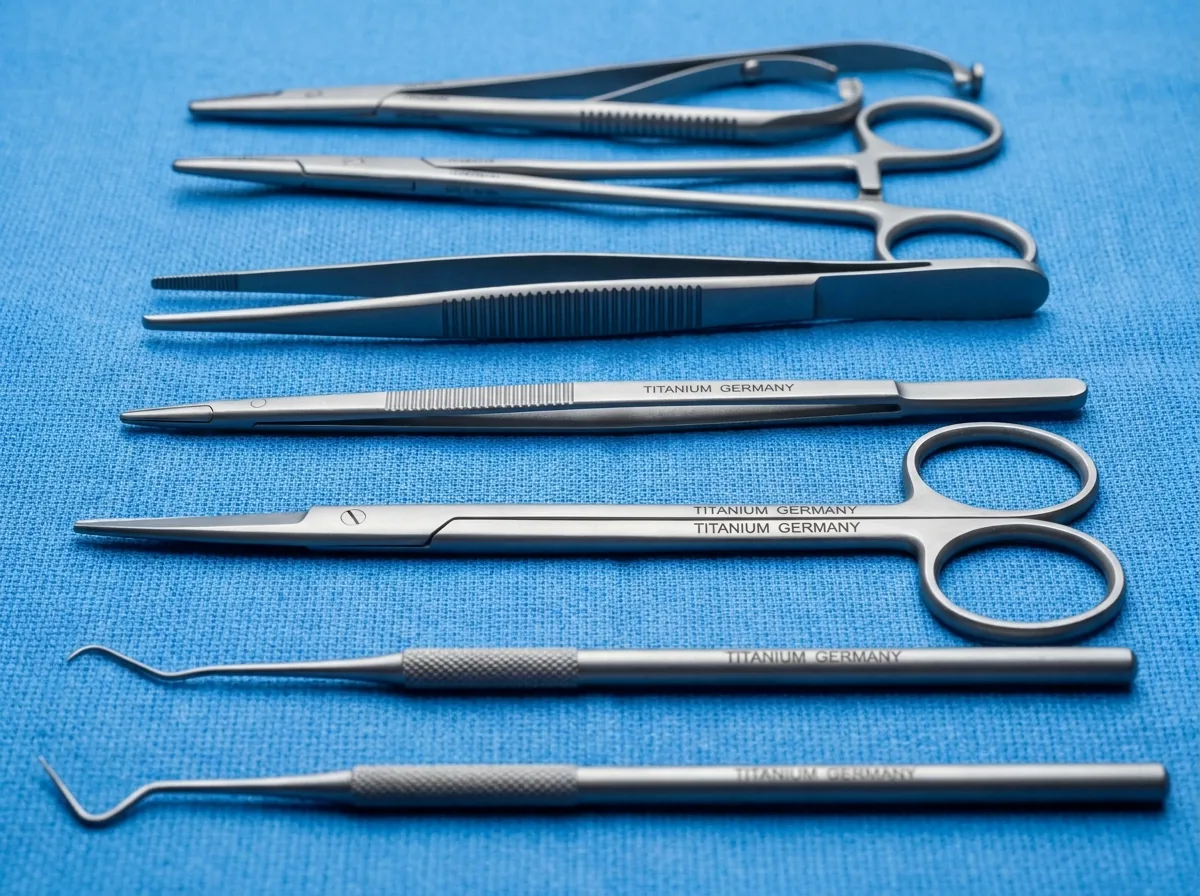
Infection Removal
The infected tissue, cyst, and the very tip of the tooth root (the apex) are meticulously removed under high magnification.

Retrograde Sealing
A biocompatible filling is placed directly into the end of the root to seal the canal, and the tissue is gently sutured.
When Canals Are Blocked
In some rare cases, a standard root canal or a re-treatment is impossible. Your tooth's canals might be heavily calcified (blocked by hard deposits), or a previous restoration like a post-and-core crown might be permanently cemented, making it too risky to drill through the top. If a severe infection or cyst is trapped at the very tip of the root under these conditions, the tooth is in critical danger of extraction.
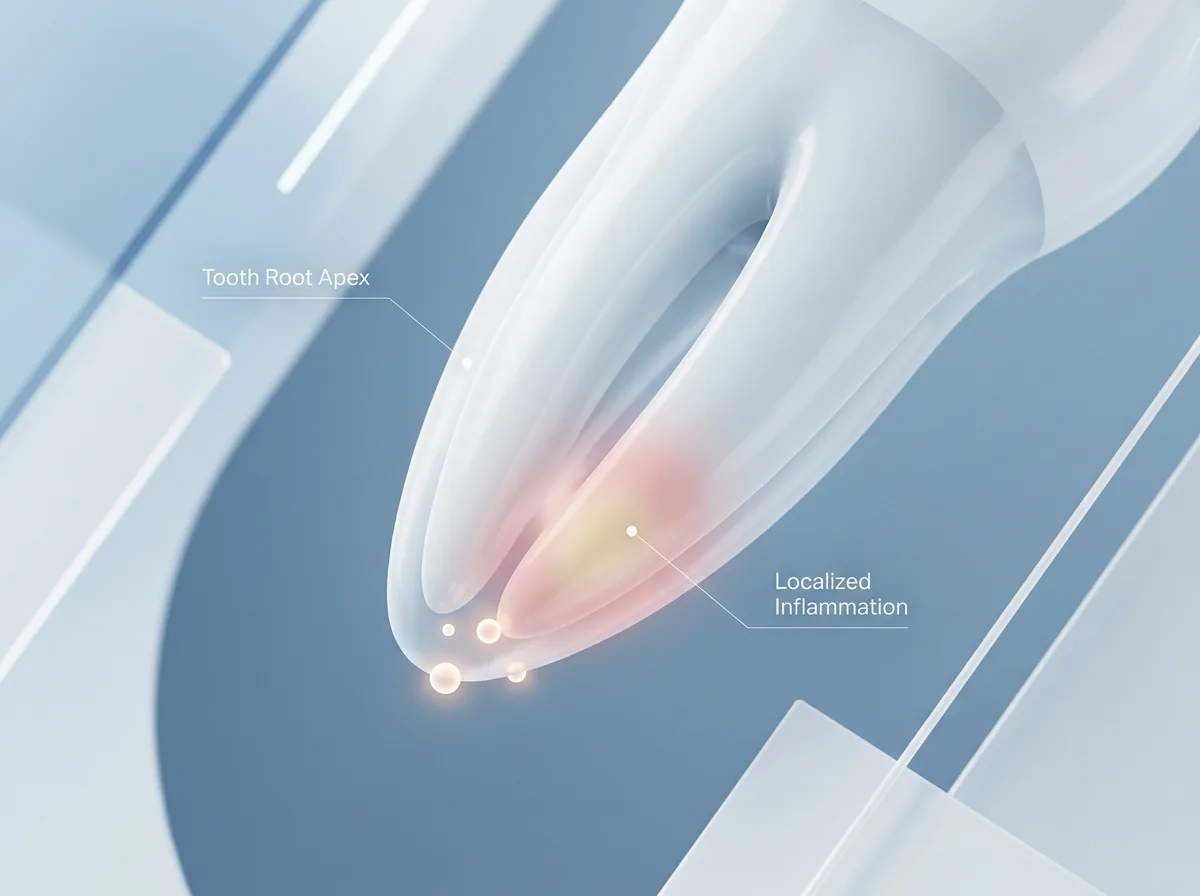
Microsurgical Apicoectomy
Surgical Endodontics, specifically an "Apicoectomy", is the ultimate tooth-saving procedure. Instead of entering through the top of the tooth, Dr. Chinmay uses precise microsurgical techniques to access the infection directly through the gumline at the base of the root. By removing the infected tip and sealing it from the bottom up, we bypass the blockages entirely. This allows the surrounding jawbone to heal and secures the tooth for a lifetime.
"Nice hospital, and all staff members are good."
Bhavesh Prajapati, Mehsana
Verified Patient
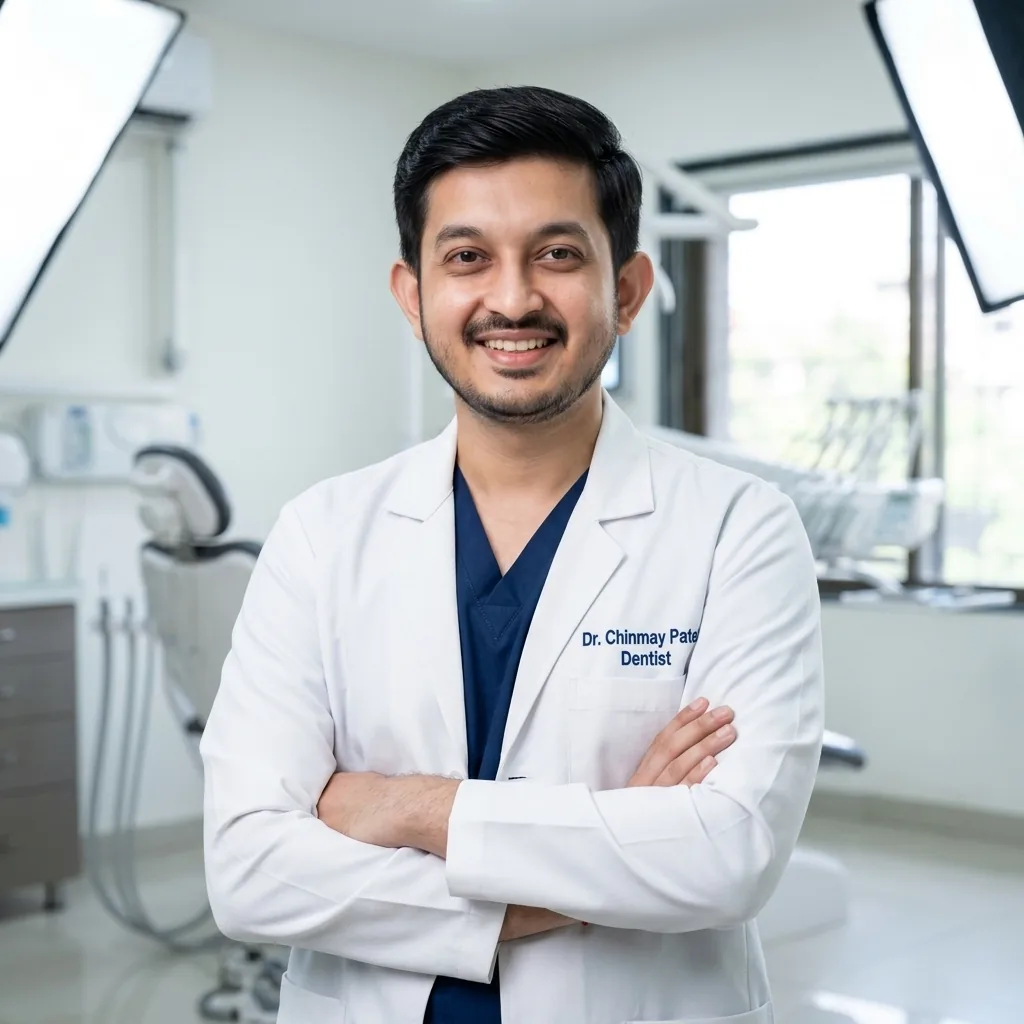
Dr. Chinmay H. Patel
MDS, Chief Specialist
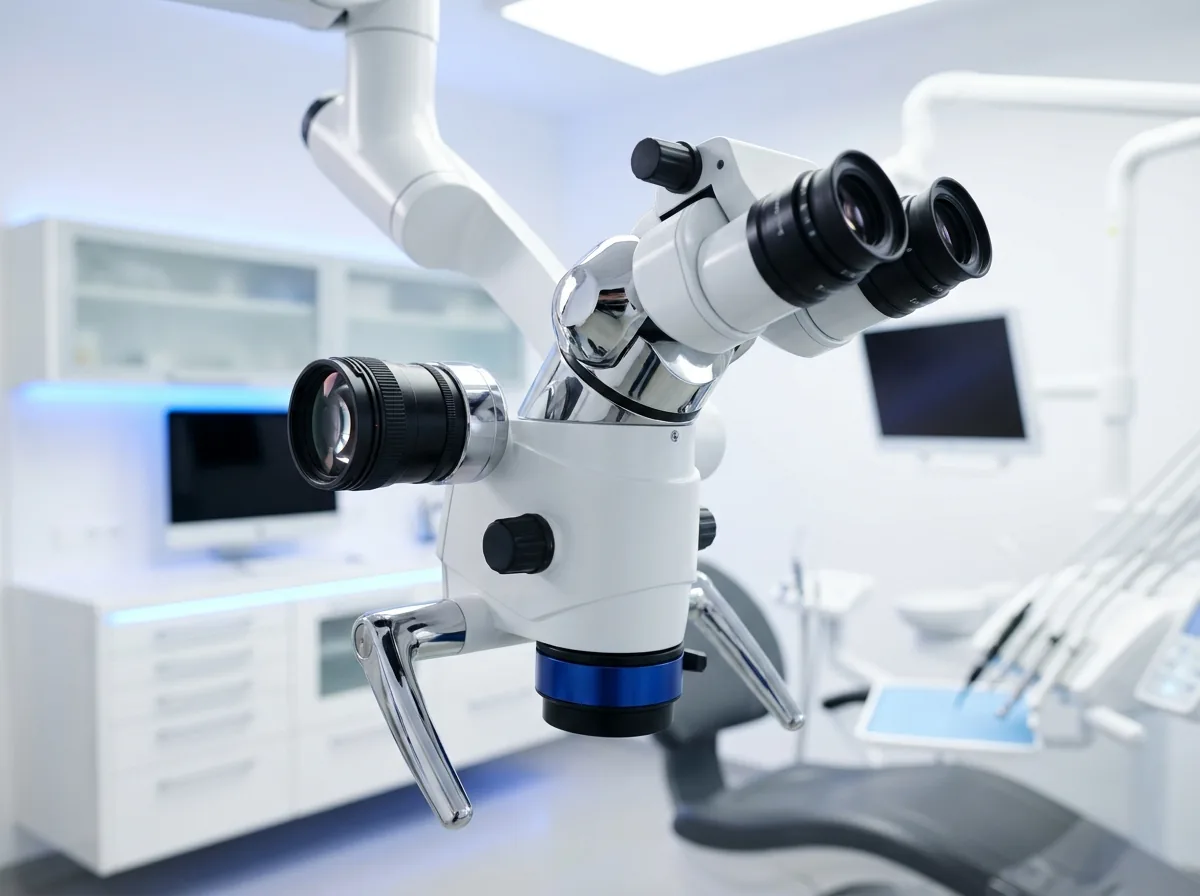
With over 10 years of specialized clinical experience, Dr. Chinmay personally performs every apicoectomy under high magnification, the standard shown to improve surgical outcomes.
Transparent Pricing
You receive a complete, itemized cost breakdown before we ever begin treatment. Absolutely no hidden fees or post-procedure surprises.
No Cost EMI AvailableCommon Questions about Surgical Endodontics
Is this surgery painful?
The surgery is carried out under local anaesthesia, so you should not feel pain during it. Post-operative soreness for one to two days is normal and easily managed with standard analgesics like ibuprofen. Most patients are back at work the next day. The gum heals fully within one to two weeks.
Will there be visible scarring on my gums?
None. The incision is made in an area hidden by the gum, using sutures finer than human hair. Once healed, which takes one to two weeks, there is no visible evidence that any surgery was performed.
What is the success rate of an apicoectomy?
Published clinical data puts apicoectomy success rates at 85–95% when performed by a trained endodontic specialist with adequate magnification. Dr. Chinmay performs these under high magnification specifically because success rates with magnification are measurably higher than without it.
Are you in pain?
We reserve emergency slots every day for patients requiring immediate root canal pain relief.
Affordable Care
EMI Available on Crowns